
How to Avoid Surgery, Pain, and Recovery Time in ACL Injuries
Physical Therapy for ACL Injury Prevention
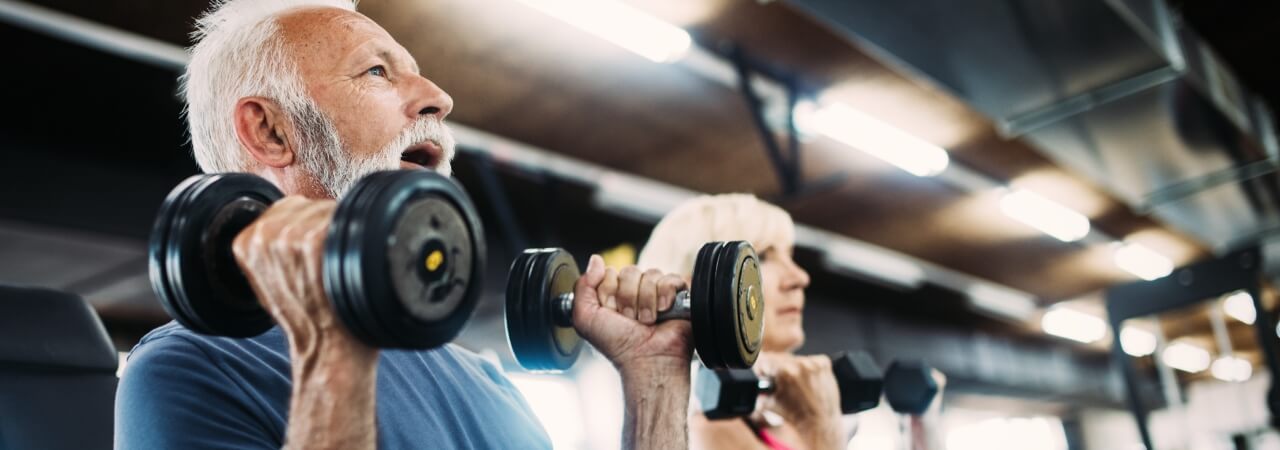
According to research, millions of anterior cruciate ligaments (ACL) injuries occur each year across the world according to the research. There are many factors that can increase your risk for injury, but many of these risks can be modified to decrease your chances of tearing your ACL. Physical therapists can assess your strengths and weaknesses and develop and individualized plan to address any areas needing improvement. Research has been looking at the best training methods to prevent ACL and other knee injuries. They have found that there is no one individual training method or a certain exercise that is optimal for preventing this type of injury, but rather a multi-faceted approach has been shown to be effective in reducing injury rates than physical therapy. According to the clinical practice guidelines from the Academy of Orthopaedic Physical Therapy and the American Academy of Sports Physical Therapy, exercise-based injury prevention programs that include a combination of strength training, plyometrics, and proximal control exercises are optimal for ACL and knee injury prevention. Research has also shown proprioceptive (balance) and neuromuscular training to be effective. The guidelines state these programs should be implemented multiple times a week, each session lasting greater than 20 minutes, and total training time should be greater than 30 minutes per week. Injury prevention programs should start in the preseason, before starting a workout regimen, or recreational sports with continued implementation throughout the season or during recreational activities. For these programs to be successful an individual must be dedicated in implementing the program into their routine. The guidelines also state that adolescent females are especially susceptible to ACL injuries and should be implementing an injury prevention program. Seeing physical therapist that specializes in sports, as well as, other health professionals (athletic trainers, certified strength and conditioning coaches) can be a game changer for helping an athlete or active individual to stay healthy keep doing what they love to do.
In looking at the evidence, ACL injury prevention programs are vital to reducing injury rates and avoiding surgery. Injury prevention should be a priority for all athletes and active individuals to avoid pain, surgery, save time from doctors’ visits, and save money from medical bills. Go see a sports physical therapists or other sports medicine professional that will create an injury prevention program tailored to your needs that will decrease your chances of injury and keep you chasing your goals.
Resources:
(2018) Exercise for Knee Injury Prevention: A Summary of Clinical Practice Guideline Recommendations—Using the Evidence to Guide Physical Therapist Practice. Journal of Orthopaedic & Sports Physical Therapy 48:9, 732-733.
Dargo, L., Robinson, K. & Games, K. (2017). Prevention of Knee and Anterior Cruciate Ligament Injuries Through the Use of Neuromuscular and Proprioceptive Training: An Evidence-Based Review. Journal of Athletic Training, 52 (12), p 1171-1172.
Sleep to Perform
There is a growing body of evidence relating lack of sleep and poor quality of sleep on physical and mental performance. According to a study done at Stanford University that looked at all the available evidence on sleep and its’ effects on human performance, even mild lack of sleep (4-5 hours/night) can have a significant effect on physical and mental performance. Even losing one night of sleep can be detrimental to performance and lead to greater risk of injury. Also, the study found that catching up on sleep does not restore full performance quickly. Meaning you cannot sleep well a night or to before a game and perform at your best. Physical performance decline can be seen in speed, endurance, accuracy, and strength. The inverse was found with an increased amount of time sleeping leading to greater performance. The study also looked at lack of sleep and its effects on mental performance such as attention, executive function, and learning. Your ability to make smart decisions, maintain focus, and the ability to learn and store information is all negatively impacted by loss of sleep.
The researchers also found evidence to support a correlation between lack of sleep and injury risk. A research study done by Milewski et al., found adolescents sleeping less than 8 hours a night were 1.7 times more likely to experience a significant injury than those who slept more than 8 hours. The Stanford study also found an increased risk for illness, decreased pain tolerance, and increased difficulty maintaining a healthy weight.
If you are having trouble sleeping the researchers give many recommendations for improving sleep. The first is to increase sleep duration by tracking your sleep with a sleep diary, and then slowly increase your sleep time by 15-minute increments. They suggest regular napping as necessary. Creating healthy sleeping habits such as your sleeping environment with the ideal room being cool, dark, and comfortable. Also, avoiding electronics and alcohol hours before bed time, reducing ambient light, and trying not to consume caffeine after lunchtime are all ways to create an optimal environment for sleep. If you have tried everything to help you sleep, consider going to a sleep clinic to be evaluated for a sleep disorder.
Sleep is vital to your overall health and performance in all areas. Getting enough quality sleep can and will impact your entire life. The mounting body of research is confirming why we feel so good being properly rested, and if you’re like me maybe you won’t be so cranky in the morning when you didn’t sleep long enough.
Want to learn more about how we can help you find relief? Be sure to give us a call today and schedule an appointment with our amazing staff!
Resources:
Milewski MD, Skaggs DL, Bishop GA, Pace JL, Ibrahim DA, Wren TA, Barzdukas A. Chronic lack of sleep is associated with increased sports injuries in adolescent athletes. J Pediatr Orthop 2014: 34: 129–133.
Simpson, N. S., Gibbs, E. L. and Matheson, G. O. (2017), Optimizing sleep to maximize performance: implications and recommendations for elite athletes. Scand J Med Sci Sports, 27: 266-274.