



How Posture Affects Neck and Shoulder Health
Meet Sarah, a middle-aged office worker who, like many of us, spends most of her workday sitting at a desk, typing away on a computer. Over the years, Sarah started experiencing persistent neck and shoulder pain that gradually began to affect her quality of life. Little did she know that her posture was a major part of the problem.
This is the story of how Sarah’s journey to better posture relieved her neck and shoulder pain and improved her overall well-being.


The Postural Predicament
Sarah’s days at the office involved long hours spent hunched over her computer engrossed in her work. Her posture was far from ideal, and she rarely paid attention to how she sat or the position of her neck and shoulders. Like many individuals in sedentary jobs, she was unaware of the consequences poor posture could have on her health.
The Painful Wake-Up Call
One day, Sarah began to experience nagging neck pain that radiated into her shoulders. At first, she dismissed it as stress-related tension, but the discomfort persisted. Evenings were no longer enjoyable as the pain in her neck and shoulders made it challenging to relax or engage in her favorite activities. It was a wake-up call that something needed to change.
Seeking Professional Help
Frustrated with the persistent pain, Sarah decided to consult one of our skilled physical therapists at ReQuest Physical Therapy, who specialized in postural issues and musculoskeletal health. Her therapist began by comprehensively assessing her medical history as well as Sarah’s posture and movement capabilities.
Understanding the Impact of Poor Posture
Her physical therapist explained to Sarah how her poor posture was contributing to her neck and shoulder pain. Sitting for prolonged periods with her shoulders slouched forward and her head tilted down had placed excessive strain on her neck and shoulder muscles. The therapist also noted that her spine’s natural curvature was affected, further contributing to her pain.
The Treatment Plan at ReQuest Physical Therapy
Sarah’s physical therapist developed a tailored treatment plan to address her posture-related issues. The program incorporated various techniques and treatments commonly used by physical therapists to improve posture:
Postural Education:
The therapist educated Sarah about maintaining proper alignment during everyday activities. She learned to sit and stand with a straight back, aligning her head with her spine.
Exercises:
Sarah was given a set of exercises to strengthen her neck, upper back, and core muscles while stretching tight muscles. These exercises were designed to address muscle imbalances contributing to her poor posture.
Manual Therapy:
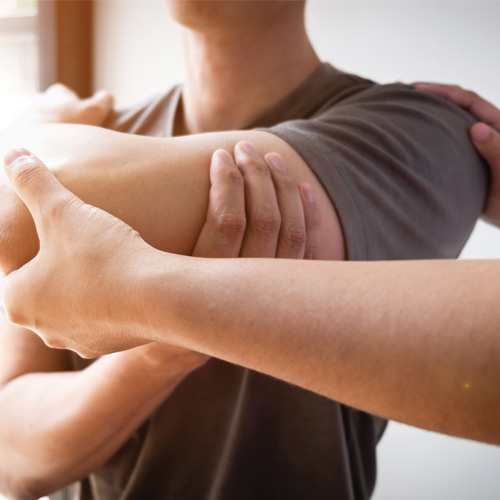
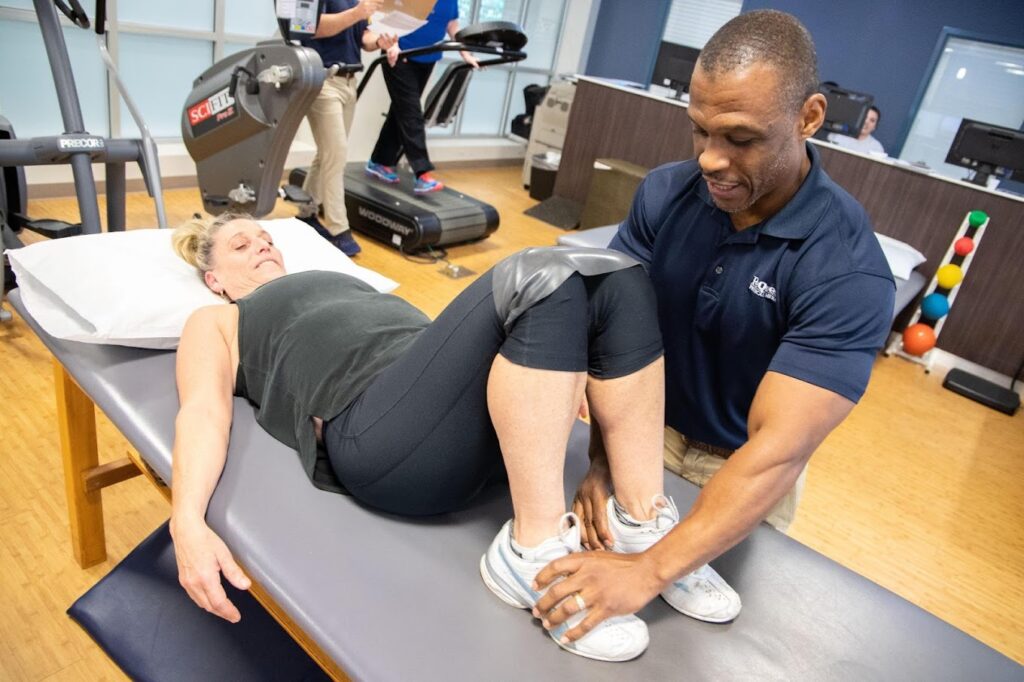
During therapy sessions, her physical therapist used manual techniques to mobilize Sarah’s spine and alleviate muscle tension. These hands-on interventions helped improve joint mobility and relieve pain.
Ergonomic Assessment:
The therapist provided Sarah with recommendations for her workplace setup and how to make adjustments to promote better posture.
Sarah’s journey to better posture was not without its challenges. It required commitment, consistency, and a willingness to change her daily routine. However, over time, she began to experience significant improvements.
As Sarah diligently followed her exercise routine and ergonomic recommendations, her neck and shoulder pain gradually subsided. She felt more alert and focused at work, which increased productivity. Her improved mood and reduced stress levels were additional benefits of her posture-enhancing journey.
Take Action Today for Better Posture and Health
Sarah’s success story serves as a valuable reminder of how posture affects neck and shoulder health. Poor posture can lead to a variety of musculoskeletal issues, especially in office workers who spend extended hours sitting at desks. However, individuals like Sarah can significantly improve their posture and overall well-being with the right guidance and a commitment to change.
If you are struggling with neck or shoulder pain, give ReQuest Physical Therapy a call and schedule a consultation to get the relief you deserve!
Say Goodbye to Pain – Get Started with PT Now!
Return to ReQuest Physical Therapy and Let’s Continue Your Journey to Wellness Together. Schedule Your Appointment Now!
Did You Know You Can See a Physical Therapist Without a Referral?
In many cases, you can start physical therapy right away without needing a referral from your doctor—this is called Direct Access. It means faster relief from pain, quicker recovery, and less time waiting to get the care you need. Whether you’re dealing with an injury, nagging aches, or want to prevent future problems, our licensed physical therapists are here to help.
However, it’s important to note that if you have Medicare, a referral is still required before beginning treatment. We’re happy to help coordinate with your physician to make the process as smooth as possible.
Don’t wait for pain to get worse—reach out today and get started on the path to feeling better!
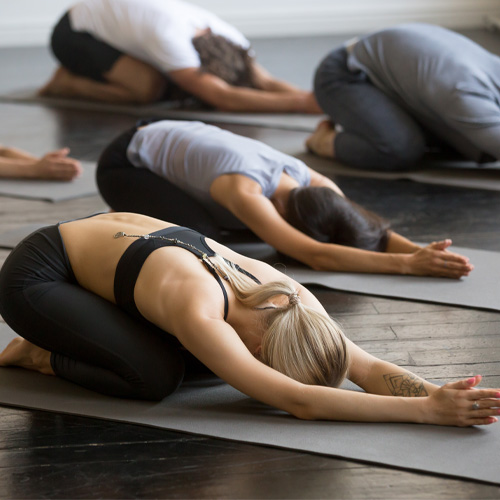
Restorative Yoga with Shawn Hinds
About This Class
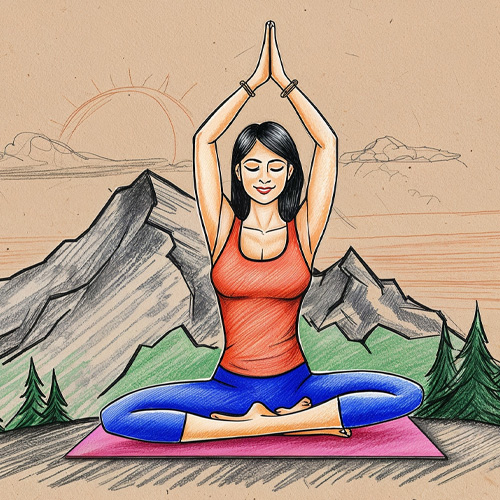
Restorative yoga is a style of yoga that encourages physical, mental and emotional relaxation. Appropriate for all levels, restorative yoga is practiced at a slow pace, focusing on long holds, stillness and deep breathing.
When: Thursday 1pm-1:45pm
Where: Gainesville Health & Fitness


Did You Know? March Is Lymphedema Awareness Month
Lymphedema occurs when fluid that normally moves through the body’s lymphatic system cannot drain properly, leading to swelling, discomfort, and changes in mobility. It most often develops after cancer treatment or any trauma that affects the lymph nodes.
For many cancer survivors, lymphedema is one of the most feared long-term side effects. The good news? It doesn’t have to be.
Early detection makes all the difference. With proper treatment and guided care, lymphedema can be effectively managed, helping people stay active, comfortable, and confident throughout recovery and beyond.
Our team offers specialized programs designed to support you at every stage of the cancer journey: during treatment, throughout recovery, and into long-term survivorship.

Exercise & Mental Health
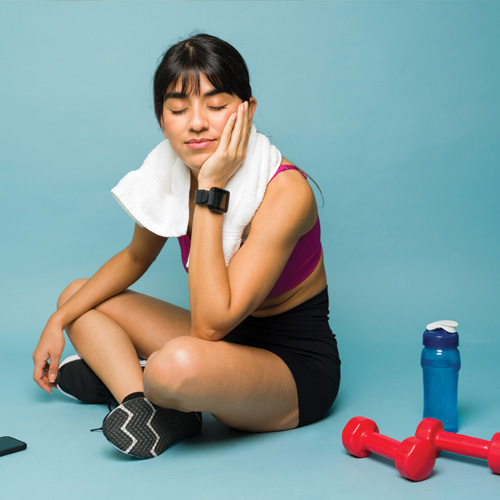
Everyone knows that regular exercise is good for the body. But exercise is also one of the most effective ways to improve your mental health. Regular exercise can have a profoundly positive impact on depression, anxiety, ADHD, and more. It also relieves stress, improves memory, helps you sleep better, and boosts overall mood. And you don’t have to be a fitness fanatic to reap the benefits. Research indicates that modest amounts of exercise can make a difference. No matter your age or fitness level, you can learn to use exercise as a powerful tool to feel better.
Exercise and depression. Maintaining an exercise schedule can prevent you from relapsing. It promotes all kinds of changes in the brain, including neural growth, reduced inflammation, and new activity patterns that promote feelings of calm and well-being. It also releases endorphins, powerful chemicals in your brain that energize your spirits and make you feel good. Exercise can also serve as a distraction, allowing you to find some quiet time to break out of the cycle of negative thoughts that feed depression.
Exercise and anxiety. Anything that gets you moving can help, but you’ll get a bigger benefit if you pay attention instead of zoning out. By adding this mindfulness element—really focusing on your body and how it feels as you exercise—you’ll not only improve your physical condition faster, but you may also be able to interrupt the flow of constant worries running through your head.
Exercise and ADHD. Exercising regularly is one of the easiest and most effective ways to reduce the symptoms of ADHD and improve concentration, motivation, memory, and mood. Physical activity immediately boosts the brain’s dopamine, norepinephrine, and serotonin levels—all of which affect focus and attention.
Exercise and PTSD and trauma. Evidence suggests that by really focusing on your body and how it feels as you exercise, you can actually help your nervous system become “unstuck” and begin to move out of the immobilization stress response that characterizes PTSD or trauma. Instead of thinking about other things, pay close attention to the physical sensations in your joints and muscles, even your insides as your body moves. Exercises that involve cross movement and that engage both arms and legs—such as walking (especially in sand), running, swimming, weight training, or dancing—are some of your best choices.
Outdoor activities like hiking, sailing, mountain biking, rock climbing, whitewater rafting, and skiing (downhill and cross-country) have also been shown to reduce the symptoms of PTSD.
When you’re under the cloud of an emotional disorder and haven’t exercised for a long time, setting yourself extravagant goals like completing a marathon or working out for an hour every morning will only leave you more despondent if you fall short. Better to set yourself achievable goals and build up from there.
Introducing Positional and Lymphatic Massage Therapy: Gentle, Restorative Bodywork
now available at ReQuest Physical Therapy
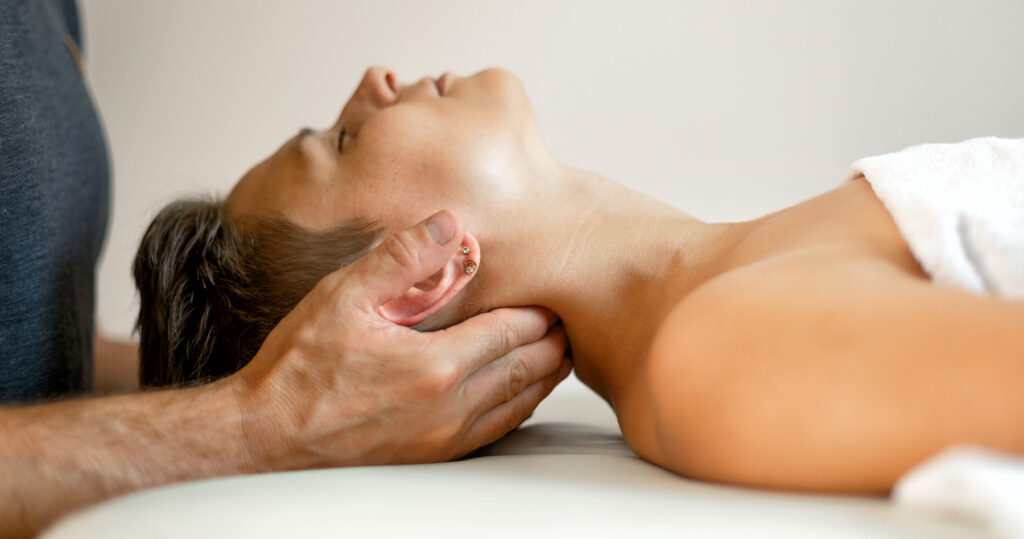
Positional therapy is a gentle and highly effective form of bodywork that supports your body’s own ability to self-correct. Unlike traditional massage, positional therapy and lymphatic techniques use light touch, comfortable positioning, and enables you to be in full control of the session.
Ideal For:
- Post-surgical recovery
- Auto accident rehab
- Trauma-informed care
- Chronic pain, fibromyalgia, myalgia
- Inflammatory conditions and stress overload
What to Expect:
- Relaxing sessions
- Option of clothing on or off
- Gentle contact and positioning that feels good to your body
- Client-led – we follow your comfort and instinct
- Promotes lymphatic flow, nervous system regulation, and deep rest
- Supports homeostasis and long-term healing
You already know what your body needs — we’re here to help it get it there.
Quick & Easy Healthy Recipe
Fennel Fronds Pesto

Taste How Delicious Weight Loss Can Be
Ingredients
- 1 – 1 1/2 cups raw pecans (or walnuts)
- 3 cups loosely packed fennel fronds
- Juice of 1 lemon
- 1-2 garlic cloves
- 1/2 tsp. Sea salt
- Optional: water or olive oil by tablespoon for desired consistency
Directions:
In food processor or blender, add all ingredients. Blend slowly, scraping sides as needed. You may need to pulse unit at first. Add more lemon juice or water to bring to desired consistency. Store in re-sealable container in the fridge or freeze in ice cube trays for later use. This is one of the many complementary recipes shared in our healthy lifestyle program, Physicians’ Choice for Weight Loss.
Therapist Spotlight
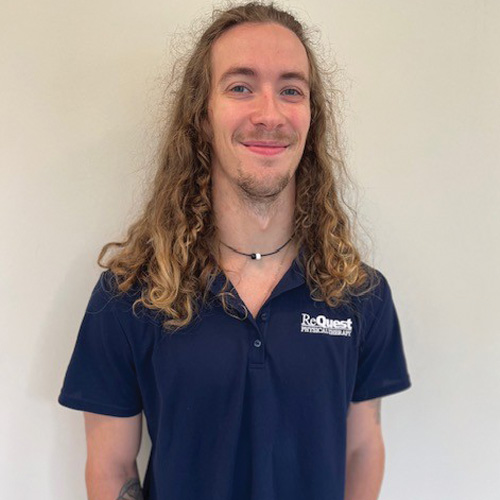
Anthony May
Licensed Massage Therapist
From a massage standpoint, Anthony specializes in injury prevention and recovery. Anthony recently moved his personal training practice to Gainesville Health and Fitness Center. We are proud of Anthony and how passionate he is about helping others perform at their best! To schedule with Anthony or any of our massage therapists.
If you have Blue Cross Blue Shield insurance, you likely have massage benefits available to you. We are happy to bill your insurance on your behalf. Email samantha.ream@requestphysicaltherapy.com for more information.
Follow Us on Social Media!
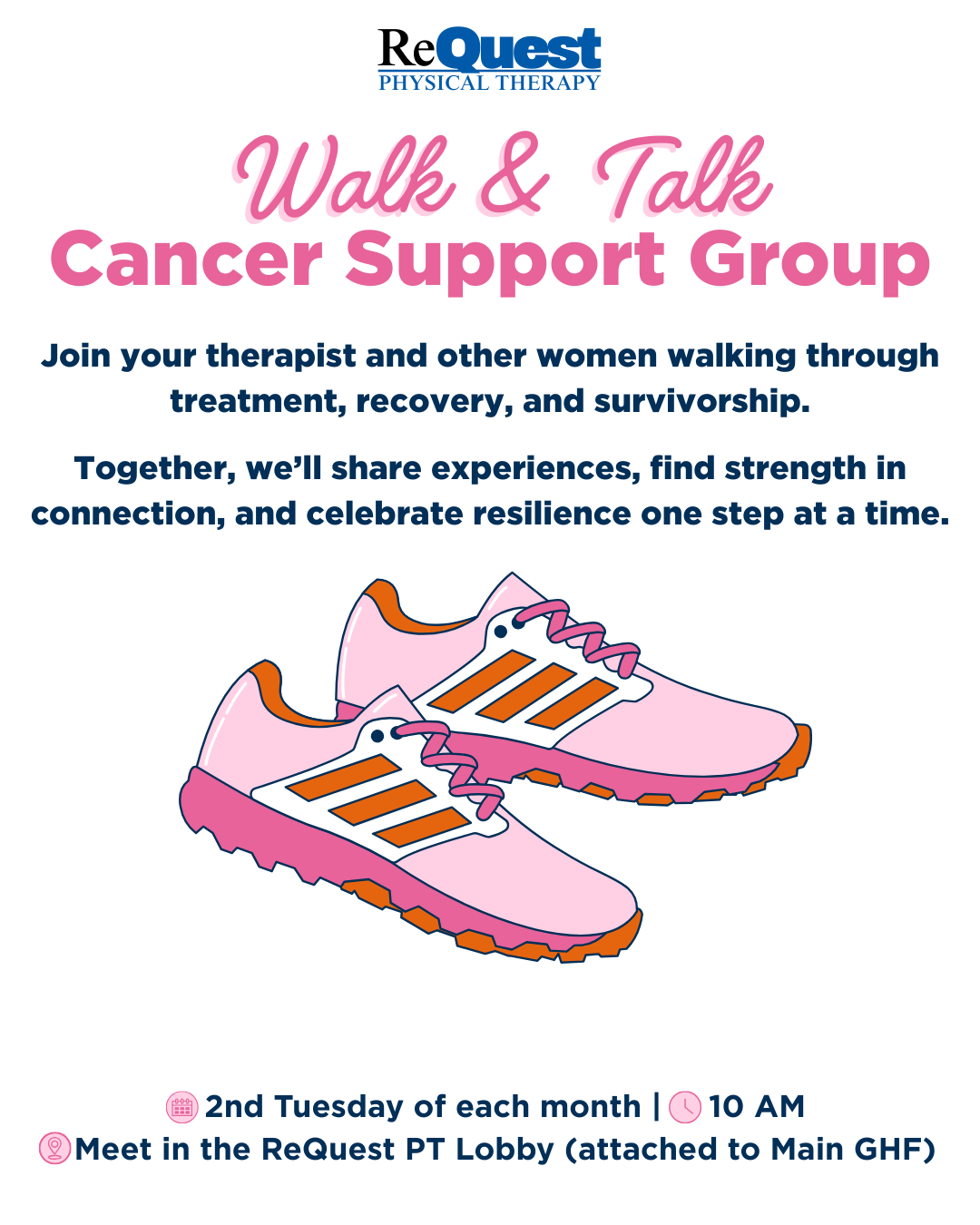
Walk & Talk Cancer Support Group
Each month, women walking through treatment, recovery, and survivorship come together to share stories, find strength, and celebrate resilience one step at a time.
Vishnu Edwards, Certified Lymphedema Therapist will be joining Samantha Ream, Licensed Massage Therapist for our March walking group.
Exercise of the Month
PRONE ARM REACH BACK
Lie face down on an exercise table with your upper chest supported and both arms hanging straight down off the sides, holding a light weight in each hand. With palms facing in, slowly raise your arms backward toward your hips in a sweeping motion, keeping them close to your body. Squeeze your shoulder blades together at the top, then lower your arms back down with control.
3 Sets, 10 Reps. (Materials needed: exercise table, light weights)
Thank You for Subscribing to ReQuest Physical Therapy
Refer a Friend

Our purpose at ReQuest Physical Therapy is to leave a greater impact on the communities around us. In order to do that, we want to change as many lives as possible and become a beacon of positivity in our communities.
Do you have a friend or family member who could benefit from our pain-relieving services? At ReQuest Physical Therapy, we love helping people achieve relief from pain and reach their full potential, thus making a difference in their lives.
If you know someone who could use our help, click the button below to fill out our form and we will send them information about how we may be able to help their condition. Be sure to let them know you referred them so they can thank you!
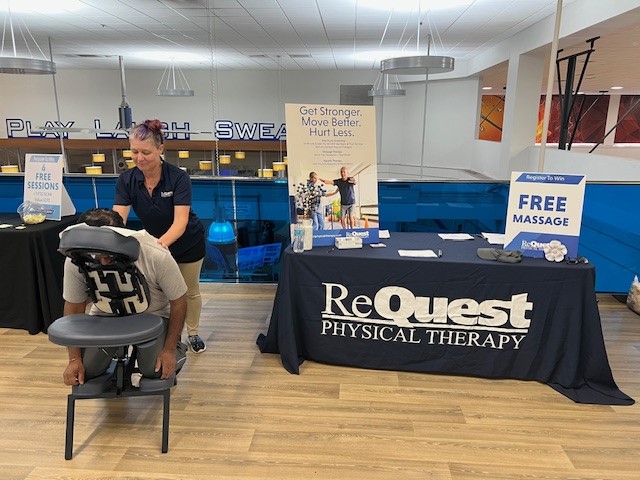
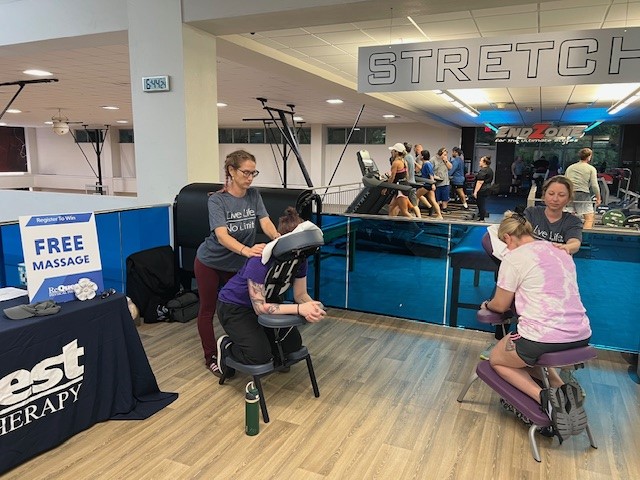
Reward your hardworking employees with on-site massage!
ReQuest Physical Therapy can provide licensed massage therapists to offer chair massage at any business.
Email: samantha.ream@requestphysicaltherapy.com for more information.
Meet Our Team

Jeff Gilliam
PT, PhD, OCS
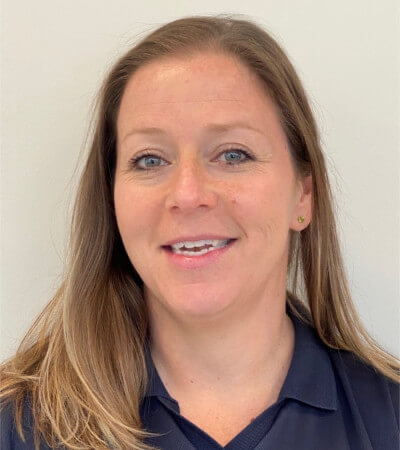
Penny Goldberg
PT, DPT, ATC

Jerry O. Rieta
PT, CSCS, CPT
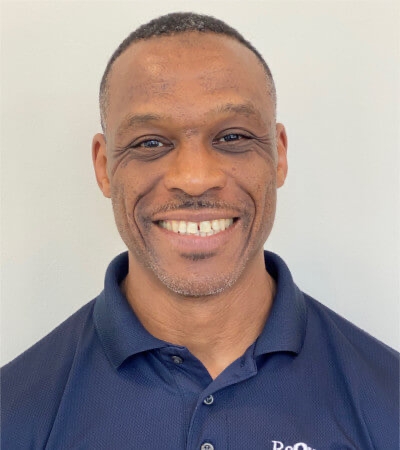
Alphonso Jones
PTA, NASM CPT
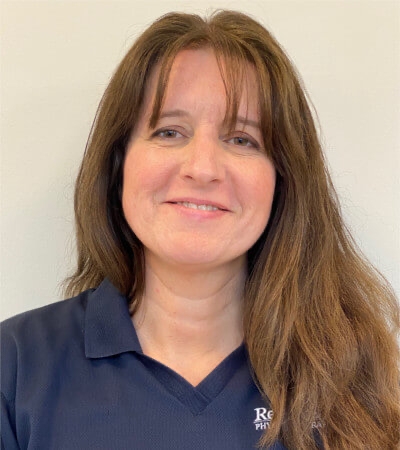
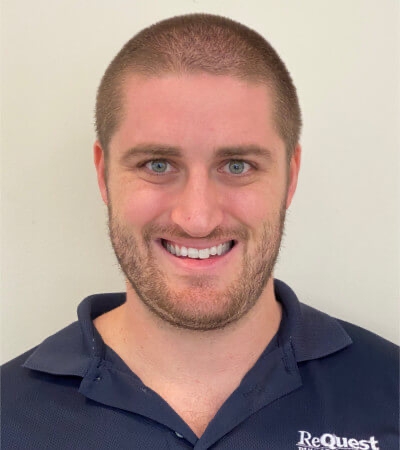
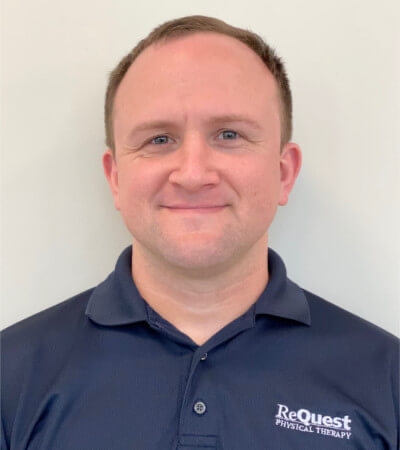
Adrian Latscu
PTA, ACCI

Patricia Nichols
OT, CHT


Samantha Ream
M.Ed., LMT



Tiffany Fisher
PhD, LMT