


Does Stress Cause Neck Pain?
Does stress cause neck pain? The short answer is no! At ReQuest Physical Therapy, we like to say “contributes to” instead of “causes.” The casual way healthcare professionals throw around terms can lead to confusion and, worse still, ineffective treatment. Fortunately, our highly skilled therapists know how to dig deep and find the root cause of your neck pain, and this information helps you find relief!
Let’s discuss Nicole, a 40-something-year-old working mother of three. Nicole was used to being very active, balancing her work schedule with getting her kids to all the various activities and school functions that come with being a mom nowadays.
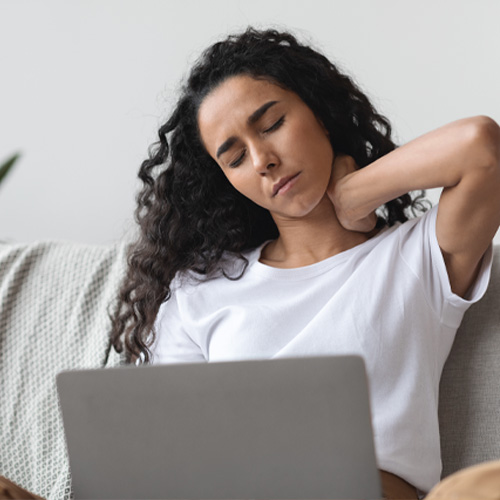
Her neck pain first started as a crick in the neck when she woke up one morning. As the day progressed from driving her kids around to sitting at her desk, she noticed that turning her head became more difficult and painful, making focusing on work nearly impossible.
Nicole struggled to figure out why her neck started hurting and came to the conclusion that stress “must be” the culprit. The more pain and difficulty moving she had, the more convinced she was that stress was to blame.
Understanding Nicole’s Neck Pain
One of the most common things we hear from our patients is that their pain started for “no apparent reason.” Like Nicole, people will wake up with a crick in their neck or notice a stiffness turning when driving in the car. It is also common for people to notice tightness in their upper back and neck after a long day.
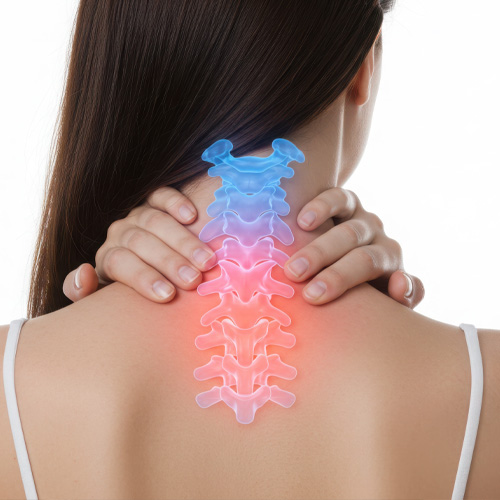
So, what is actually the source of the pain? In most cases, there is an issue with the neck joints or the neck muscles due to prolonged positions. Our neck joints don’t like remaining in any position for extended periods. In Nicole’s case, she first noticed her pain in the morning, which may have been related to her neck position while sleeping. It is also important to note that in Nicole’s case, the first sign of any issue was in the morning when she woke up, unrelated to stress.
As Nicole’s day progressed, her pain got worse. But this also was more likely related to how she held her neck while driving or sitting at her computer. In both cases, her posture, specifically how she held her neck, seems to have contributed to her pain. Prolonged sitting can lead to a forward head position, resulting in tension to soft tissue (i.e., muscles, tendons, and ligaments) or negative changes to our blood flow.
The muscles of our neck function best when we move them. So, holding her head in one position likely led to irritation of the muscles and affected her ability to move her neck, which in turn caused stress.
Stress “contributes” to neck pain because, when we experience stress, our bodies naturally respond by tensing up as a protective measure. This tension can lead to discomfort, particularly in the neck and upper back region. Research studies have found that individuals with higher stress levels reported increased neck pain as compared to those with lower stress levels. This is why we say “contributes” to, but not the cause of, neck pain.
How Physical Therapy Can Help Alleviate Neck Pain
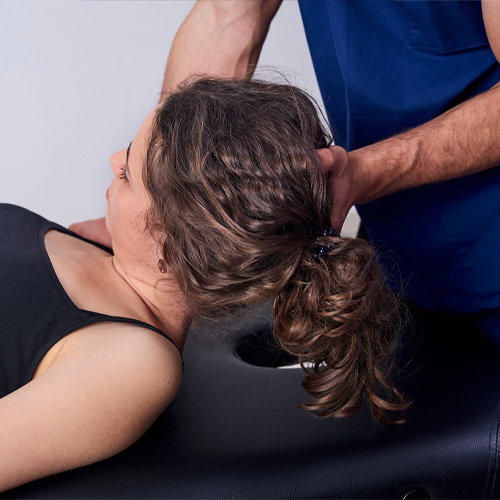
We will target the source of your pain by performing a thorough examination, starting with your medical history and details about how, when, and where your symptoms began. As we saw with Nicole, determining how, when, and why the pain started helps us eliminate possibilities and get to the actual root cause(s).
Our therapists will also analyze your posture and movement to identify any limitations or restrictions contributing to your condition. We’ll use this information to design a program that addresses your specific needs.
Our treatment plans focus on relieving your pain and improving your posture, mobility, strength, etc., and educating you about managing your symptoms. Your program will likely include manual therapy (i.e., soft tissue work and/or joint mobilizations), targeted stretches, exercises, activity modification, or posture recommendations.
We’ll listen to your unique situation and specific issues and then work to help you find relief and get back to your normal routine.
Book Your Appointment Today!
If you’re dealing with neck pain or looking for someone to help you figure out what is causing your issues, call us today and set up a consultation!
Did You Know You Can See a Physical Therapist Without a Referral?
In many cases, you can start physical therapy right away without needing a referral from your doctor—this is called Direct Access. It means faster relief from pain, quicker recovery, and less time waiting to get the care you need. Whether you’re dealing with an injury, nagging aches, or want to prevent future problems, our licensed physical therapists are here to help.
However, it’s important to note that if you have Medicare, a referral is still required before beginning treatment. We’re happy to help coordinate with your physician to make the process as smooth as possible.
Don’t wait for pain to get worse—reach out today and get started on the path to feeling better!
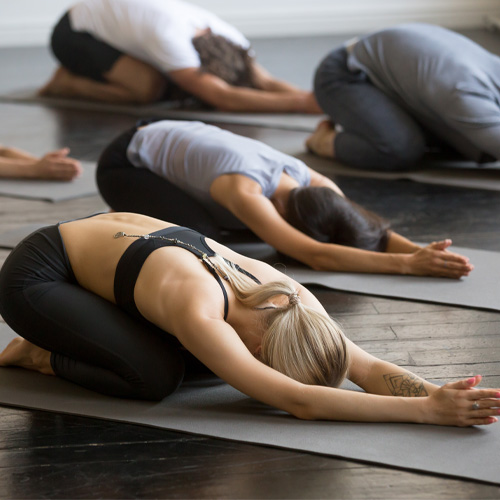
Restorative Yoga with Shawn Hinds
About This Class
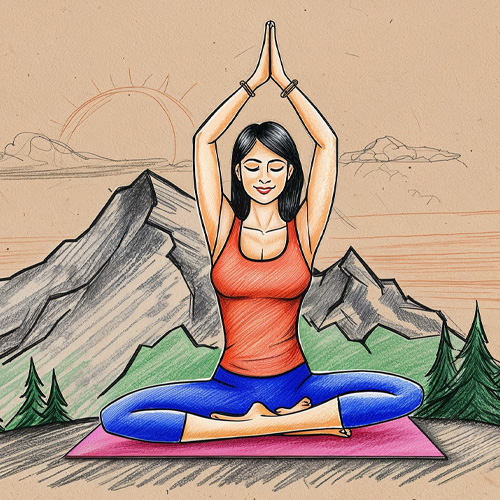
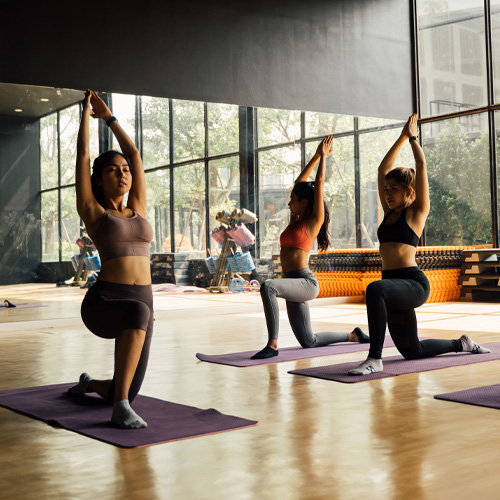
Restorative yoga is a style of yoga that encourages physical, mental and emotional relaxation. Appropriate for all levels, restorative yoga is practiced at a slow pace, focusing on long holds, stillness and deep breathing.
When: Thursday 1pm-1:45pm
Where: Gainesville Health & Fitness



Kayaking & Paddleboarding with a Healthy Twist
Kayaking and paddleboarding are excellent ways to enjoy the outdoors while improving your strength, endurance, and balance. Whether you’re exploring a quiet lake or cruising down a river, using proper technique helps you get the most out of every adventure while protecting your body from unnecessary strain.
These popular water sports are full-body activities that challenge your muscles and cardiovascular system. By paying attention to posture and movement, you can reduce your risk of shoulder, neck, and back discomfort while paddling longer and more efficiently.
Paddle Smarter, Feel Better
Good technique doesn’t just improve performance—it helps distribute the workload throughout your entire body, reducing stress on individual muscles and joints while making every stroke more effective.
Practice Mindful Paddling
Keep a straight back, engage your core, and use proper paddling mechanics. Let your legs and torso help generate power to reduce strain on your shoulders and lower back.
Use Your Whole Body
Think beyond your arms. Involve your legs, hips, core, and back with every stroke for smoother movement, better balance, and improved endurance on the water.
Protect Against Injury
Balanced movement helps prevent muscle imbalances and overuse injuries, allowing you to enjoy longer paddling sessions with greater comfort and confidence.
Meet Our Team

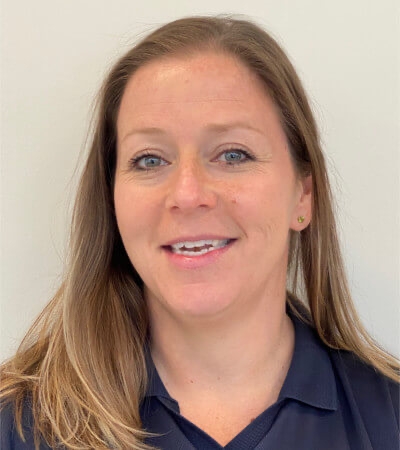
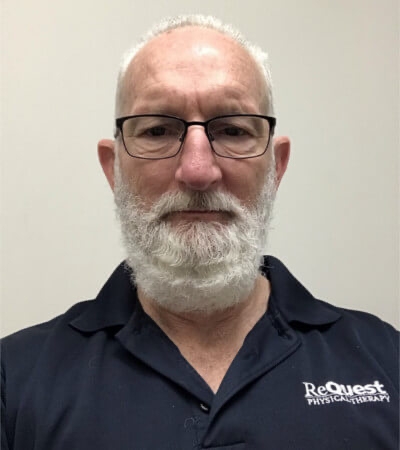
Jeff Gilliam
PT, PhD, OCS
Penny Goldberg
PT, DPT, ATC
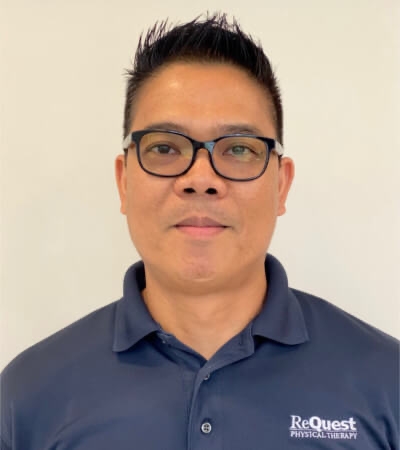
Jerry O. Rieta
PT, CSCS, CPT
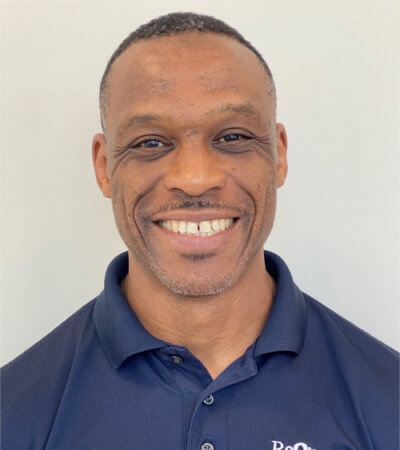
Alphonso Jones
PTA, NASM CPT
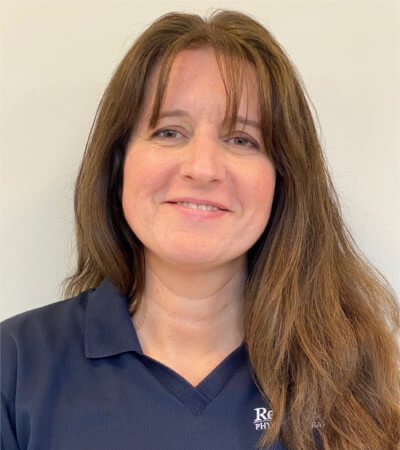
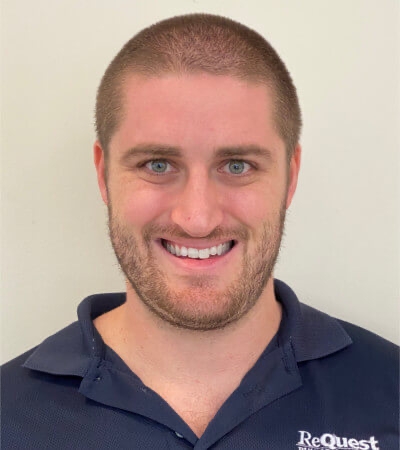
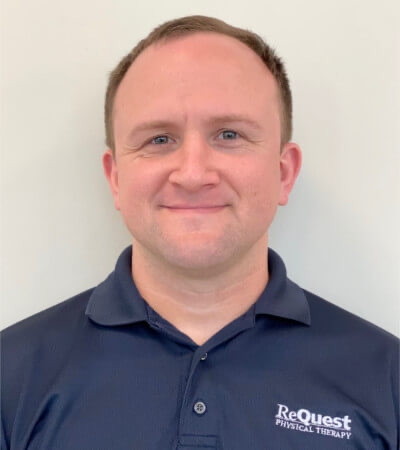
Adrian Latscu
PTA, ACCI

Patricia Nichols
OT, CHT

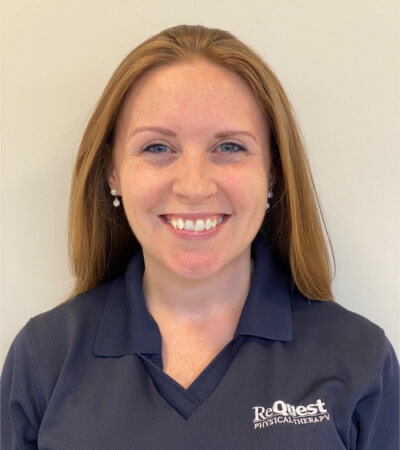
Samantha Ream
M.Ed., LMT

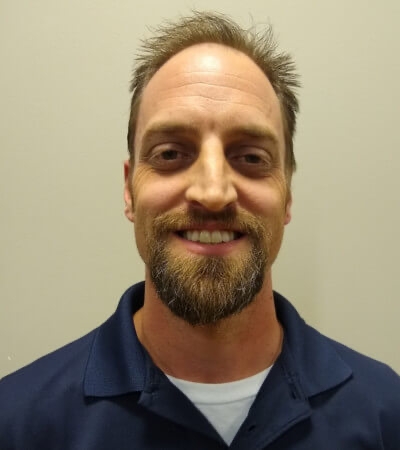
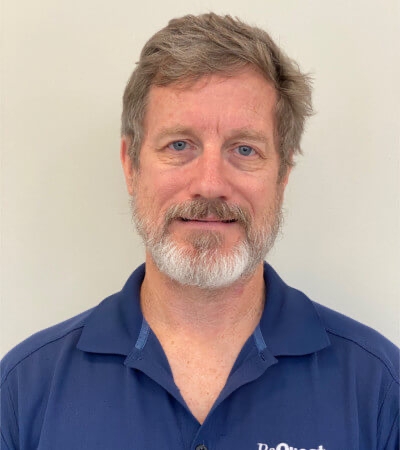

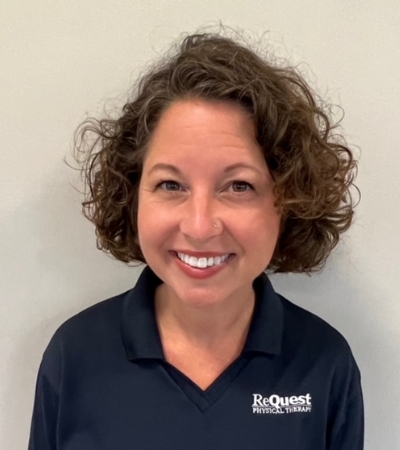
Tiffany Fisher
PhD, LMT
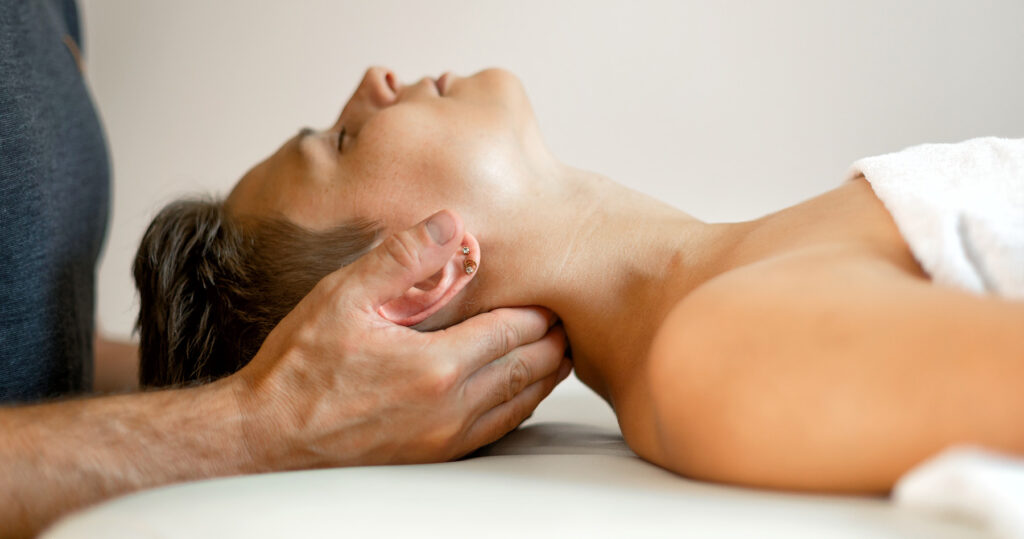
Introducing Positional and Lymphatic Massage Therapy: Gentle, Restorative Bodywork
now available at ReQuest Physical Therapy
Positional therapy is a gentle and highly effective form of bodywork that supports your body’s own ability to self-correct. Unlike traditional massage, positional therapy and lymphatic techniques use light touch, comfortable positioning, and enables you to be in full control of the session.
Ideal For:
- Post-surgical recovery
- Auto accident rehab
- Trauma-informed care
- Chronic pain, fibromyalgia, myalgia
- Inflammatory conditions and stress overload
What to Expect:
- Relaxing sessions
- Option of clothing on or off
- Gentle contact and positioning that feels good to your body
- Client-led – we follow your comfort and instinct
- Promotes lymphatic flow, nervous system regulation, and deep rest
- Supports homeostasis and long-term healing
You already know what your body needs — we’re here to help it get it there.
Celebrating 250th Celebration of America and the FIFA World Cup
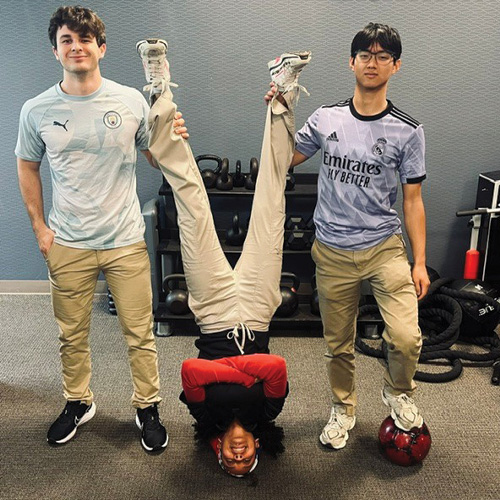
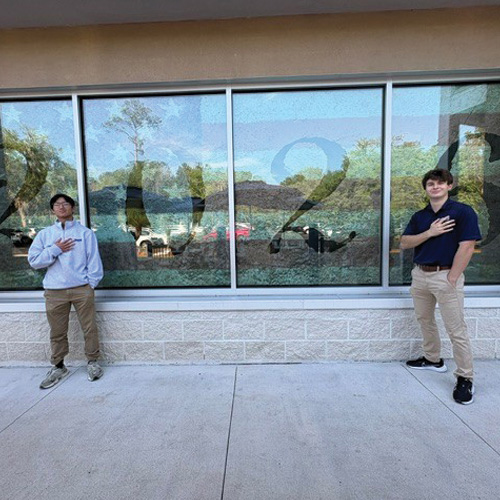
From Left to Right: Braden, Olivia, and Anderson
Quick & Easy Healthy Recipe
Caesar-Marinated Chicken Kabobs with Zucchini and Grilled Romaine

Taste How Delicious Weight Loss Can Be
Ingredients
- 2 anchovy fillets, finely chopped
- 1 small garlic clove, minced or grated
- ⅓ cup grated Parmigiano Reggiano
- ¼ cup fresh lemon juice
- 5 Tbsp 0% Greek Yogurt
- 1 Tbsp extra-virgin olive oil, plus more if needed for the romaine
- 1 ½ tsp Dijon mustard
- ½ tsp freshly ground black pepper
- 1 ¼ pounds skinless boneless chicken breast or thighs, cut into 1-inch cubes
- 8 long wooden or metal skewers
- 1 zucchini
- 1 large or 2 small heads romaine
- ½ tsp kosher salt
- Cooking spray
Directions:
For the kabobs
- If using wooden skewers on an outdoor grill, soak them in water for at least 30 minutes.
- Trim the ends from the zucchini, halve it lengthwise, and cut it into semicircles between ½- and 1-inch thick.
- Separately, cut the romaine in half (if using small heads) or quarters (if using a large head), leaving the root ends intact.
- Lightly spray or coat the cut sides with oil.
- Thread the chicken onto doubled skewers, alternating every few pieces with a slice of zucchini, for a total of 4 kabobs. Place the kabobs on a large plate or baking sheet and, when they’re assembled, season lightly with salt.
- Preheat the grill with medium-high heat and oil the grates. Grill the kabobs for 6 to 8 minutes total, turning every 2 to 3 minutes, until the chicken is cooked through and well browned.
- When the chicken is done, grill the romaine flat side down until it’s lightly charred in places but still bright green and crisp, about 30 seconds per side.
- Serve the romaine alongside the kabobs and drizzle the remaining marinade over both.
To make the Caesar marinade
- Add the anchovies, garlic and pepper to a large bowl and use your fork to mash into a paste.
- Add the cheese, lemon juice, yogurt, 1 Tbsp olive oil, mustard, and pepper and stir to combine.
- Reserve half for serving.
- Add the diced chicken to the bowl with the remaining dressing and stir to coat.
- Set aside to marinate at room temperature for 30 minutes or refrigerate overnight.

Help! I Can’t Get Up and Moving!
If you are in a lot of pain and need a jump start to get yourself to the gym, there are a few things you can try:
Stress makes pain worse so focusing on staying calm and relaxed can help. Deep breathing can increase blood flow and even aid in getting to sleep. Find a quiet area where you can sit or lie down comfortably. Draw a slow breath in while you count to 4. Hold the breath for 1-2 seconds and then exhale for a count of 4. Do this for 5-10 minutes (or until you feel yourself relax) before slowly starting to move again.
Research has shown mediation can be an effective way to manage pain. Meditation engages pathways in the brain that make it less sensitive to pain and increases the brain’s production of its own pain-reducing opioids (Endorphins). There are several apps that offer guided mediation as well as tons of internet gems.
As Dr. Penny Goldberg, Director of ReQuest Physical Therapy and Sports Physical Therapist always says, “The worst thing you can do is nothing.” For most conditions, bed rest can lead to even more pain. Slow, controlled movements and letting pain be your guide are the secret to success here. Try standing up and walking around a little bit. You may find that the first few steps are painful but with continued movement, the pain decreases.
Follow Us on Social Media!
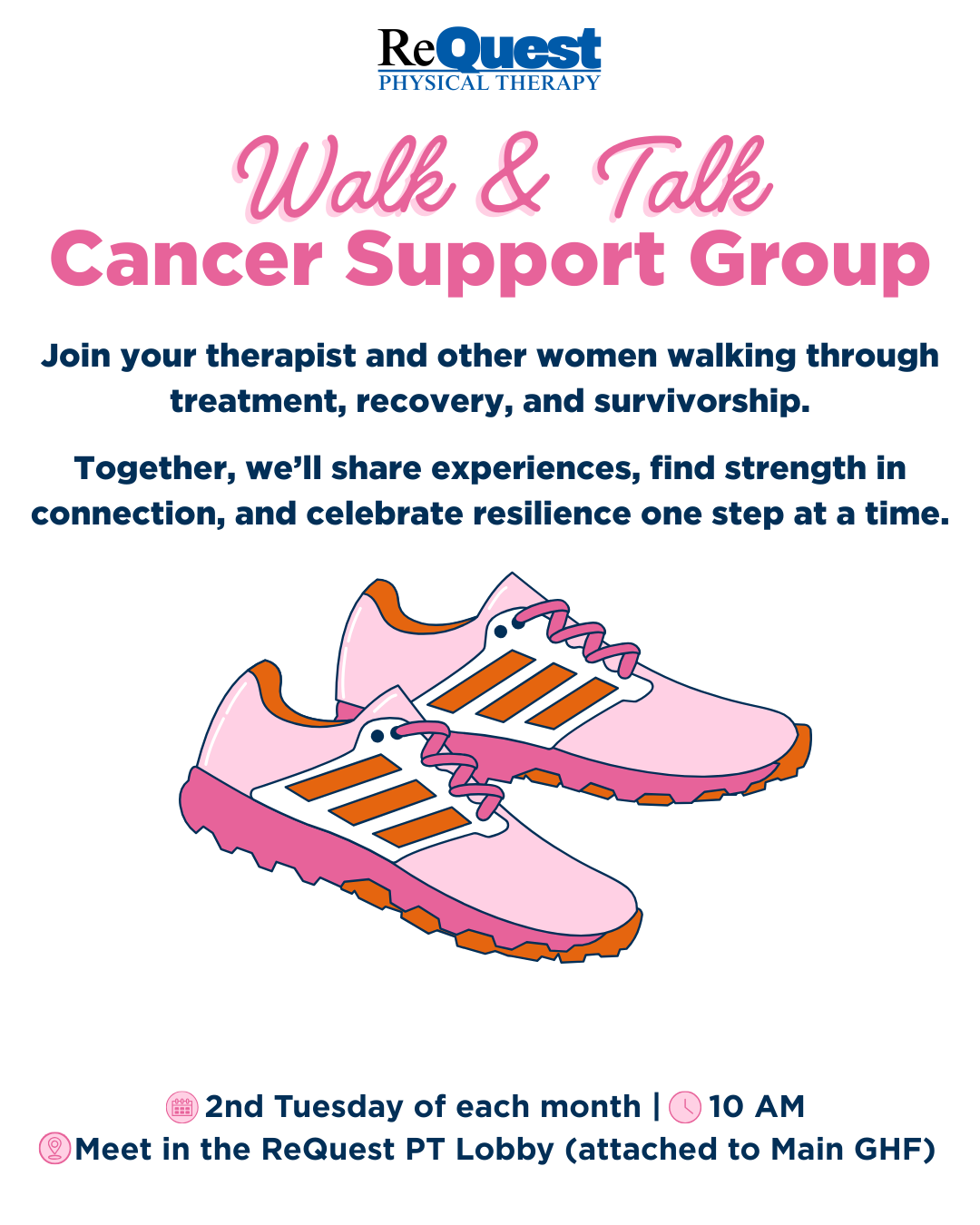
Walk & Talk Cancer Support Group
Each month, women walking through treatment, recovery, and survivorship come together to share stories, find strength, and celebrate resilience one step at a time.
Exercise of the Month
NECK GLIDE
Stand tall with your shoulders relaxed and your head in a neutral position. Gently draw your head straight backward, keeping your chin level—like you're trying to make a double chin. Avoid tilting your head up or down. Hold briefly, then return to the starting position.
3 Sets, 10 Reps.
Thank You for Subscribing to ReQuest Physical Therapy
Refer a Friend

Our purpose at ReQuest Physical Therapy is to leave a greater impact on the communities around us. In order to do that, we want to change as many lives as possible and become a beacon of positivity in our communities.
Do you have a friend or family member who could benefit from our pain-relieving services? At ReQuest Physical Therapy, we love helping people achieve relief from pain and reach their full potential, thus making a difference in their lives.
If you know someone who could use our help, click the button below to fill out our form and we will send them information about how we may be able to help their condition. Be sure to let them know you referred them so they can thank you!
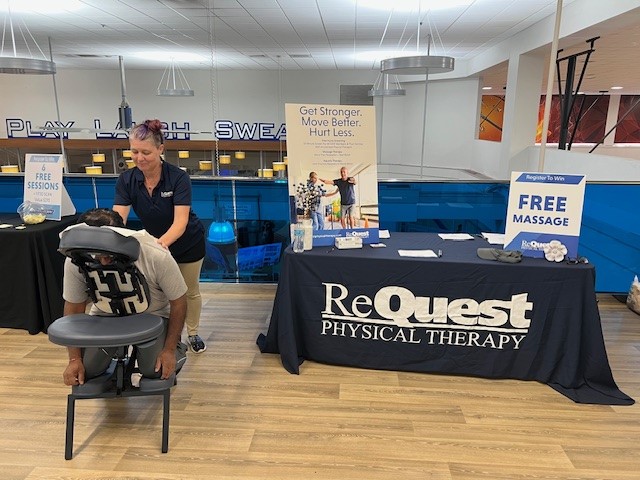
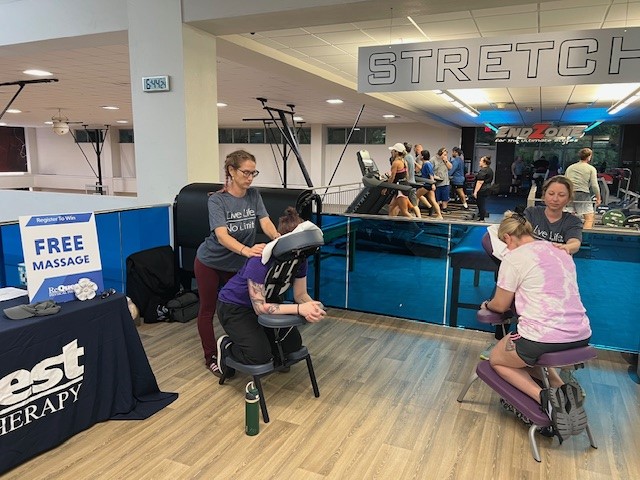
Reward your hardworking employees with on-site massage!
ReQuest Physical Therapy can provide licensed massage therapists to offer chair massage at any business.
Email: samantha.ream@requestphysicaltherapy.com for more information.