


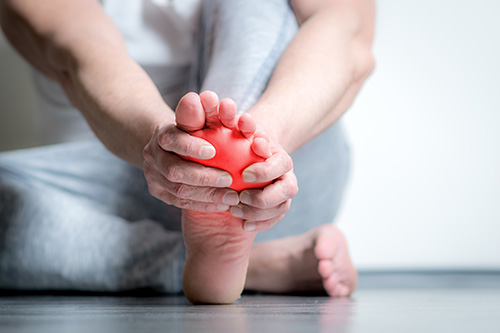
Common Causes of Foot Pain–And How Physical Therapy Can Help
You want to go for a nice evening stroll or spend an afternoon at the mall. But that pain in your foot makes prolonged walking seem like an impossibility. Now what?
Foot pain is a common problem–and one that can have a significant impact on your day-to-day life. If severe enough, it becomes a risk factor for other concerns, particularly among older people, including decreased balance, increased fall risk, and general loss of mobility.
Fortunately, physical therapy at ReQuest Physical Therapy can help you find relief. Our team of experts will dig down to identify the root cause of your pain. Then, we’ll develop a customized treatment plan to resolve the underlying injury or condition, helping to ensure lasting relief.
Don’t let foot pain hobble you completely! Give us a call to set up an appointment to uncover the source of your foot discomfort.
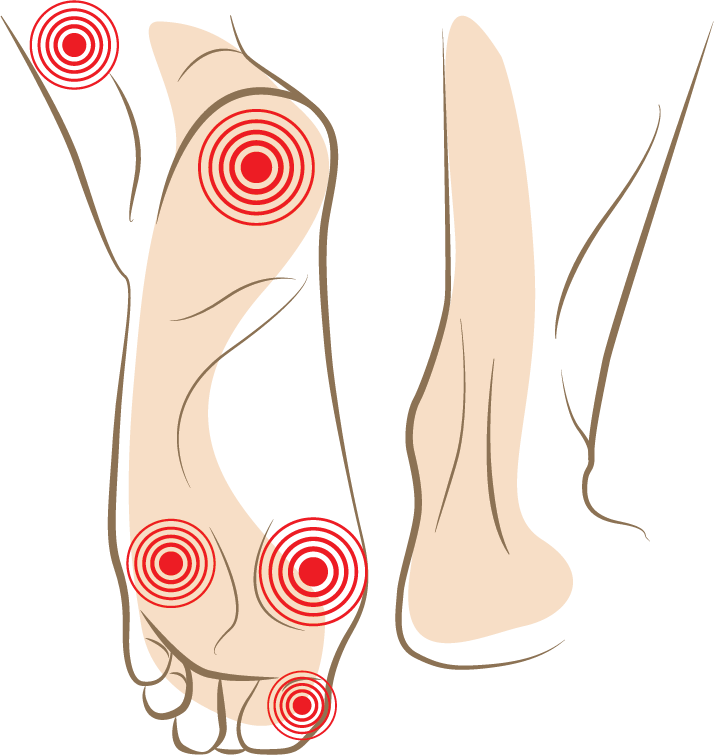
What Are the Common Causes of Foot Pain?
When determining the source of your foot pain, you’ll first want to pinpoint where the pain is coming from. Is it along the bottom of your foot? Is it along the top of your foot? In your heel? Could your ankle be involved?
Our therapists will conduct a detailed evaluation to ensure we fully understand your symptoms. We’ll review your health history and recent activities and perform a physical examination that gives a complete picture of your condition. From there, we can determine the underlying injury or condition causing you pain.
While causes of foot pain vary wildly, here are some of the most common:
- Plantar Fasciitis: This is the most common cause of foot pain, occurring in about 10% of the general population. It causes pain and stiffness along the bottom of your foot and into your heel and occurs when certain tissue (the plantar fascia) becomes swollen and inflamed.
- Achilles Tendonitis: Another example of inflammation in foot tissue, Achilles tendonitis causes pain and range of motion restriction in the tendon that runs along the back of your heel (the Achilles tendon).
- Heel Spurs: This condition refers to a bony growth that develops on your heel bone due to stress and strain on the ligaments and tendons.
- Stress Fractures: Stress fractures are small cracks in the bone that generally occur due to overuse. While they can happen anywhere, your feet are particularly susceptible as they absorb much of the impact from activities like running, excessive walking, and jumping.
What Physical Therapy Can Do To Help
Once our therapists have determined the source of your foot pain, we’ll work with you to develop a customized treatment plan that manages symptoms, improves functionality, and, in many cases, resolves the underlying condition. We customize every plan to suit your needs, pulling from various treatment options.
Here are just a few techniques we might incorporate:
- Manual Therapy: Manual therapy offers drug-free pain management and a gentle way of improving foot mobility. Techniques like myofascial release, soft tissue manipulation, and joint mobilization offer unique benefits.
- Therapeutic Exercise: We’ll provide a targeted, personalized exercise program to stretch and strengthen your foot and ankle muscles. Depending on your needs, we can also work on balance, overall mobility, and coordination.
- Modalities: Various treatment modalities, such as hot and cold therapy, electrostimulation, and ultrasound techniques, can provide additional pain relief.
- Lifestyle Modifications: Foot pain often stems from lifestyle factors, such as wearing improper footwear or starting a new high-impact exercise regimen. We’ll help you identify these factors and suggest strategies for managing them.
During your sessions, we’ll generally begin with acute pain relief through manual therapy techniques or pain-relieving modalities. Then, we’ll move on to targeted exercises. Our therapists will ensure you perform those exercises correctly and monitor your progress, increasing the intensity as you improve.
We’ll also suggest things you can do on your own, such as self-massage techniques, additional exercises, or footwear changes.
Schedule An Appointment Today
The first step in resolving your foot pain is correctly identifying its cause. To learn why your foot is hurting, call ReQuest Physical Therapy to schedule your initial evaluation. We’ll have you living your life with no limits in no time.
Say Goodbye to Pain – Get Started with PT Now!
Return to ReQuest Physical Therapy and Let’s Continue Your Journey to Wellness Together. Schedule Your Appointment Now!

Got Pain? Get Started with Physical Therapy or Massage Therapy Today!
It may surprise you to learn that with many types of health insurance, you can go directly to your physical or licensed massage therapist when dealing with pain or an injury.
Rather than paying a copay to see your physician and then another copay to see a specialist to finally get sent to physical therapy, you can save money and see our team directly! Direct Access allows you to see a therapist for up to 30 days without a physician’s referral.
If you’d like an insurance quote or if you are ready to schedule an appointment with one of our physical or massage therapists, please call 353-605-8411 (Gainesville)/352-661-2574 (Newberry) or visit: Request Appointment – ReQuest Physical Therapy.
Please note: ReQuest offers competitive non-insurance self-pay rates. Medicare requires a referral to initiate therapy.

Ask a Therapist
David G., Licensed Massage Therapist (MA#87882)
“I think that best part of massage is that it can benefit just about anyone as there are so many different applications and ways to approach manual therapy. Massage can be a safe place to start exploring pain sensations in the body. Pain in general is not a bad thing – it’s normally just an indicator that something in the body is off. I love being able to help people connect with their pain and leave their massage sessions feeling more aware and in control.”
Ready to take control? Call 353-605-8411 (Gainesville)/352-661-2574 (Newberry) to schedule an appointment with David today!
Feel Better by Eating Better!
Lemon Paprika Brussels Sprouts & Leeks
This recipe is courtesy of “Taste How Delicious Weight Loss Can Be”
Ingredients:
- 3 C Brussels sprouts, trimmed & blemished outer leaves discarded, each cut in half
- 1 C leeks, sliced
- 2 tsp. vegetable broth or water
- 2 tsp. smoked paprika or to taste
- 1 tsp. cumin or to taste
- 1 tsp. cinnamon or to taste
- Dash of salt
- Fresh ground peppercorns, to taste
- 1 lemon, cut into wedges
Directions:
- Preheat oven to 450F. Line baking pan with parchment paper. If you don’t have any, lightly spray baking pan with thin film of non- stick cooking spray.
- In a large bowl, toss the vegetables with broth or water to coat. Pour off excess broth.
- Toss in seasonings. Spread veggies in single layer evenly on baking pan.
- Bake 10 minutes or until sprouts and leeks are tender.
- Garnish with lemon wedges and ground peppercorns.
This is one of the many complementary recipes shared in our healthy lifestyle program, Physicians’ Choice for Weight Loss.

Patient Testimonial 🌟
“I had a delightful first experience with Jerry and his team at ReQuest PT! Everyone was exceptionally kind and knowledgeable. After the initial session, I already felt a significant improvement and much of my pain had subsided.” -Ali B.
3 Tips to Improve Nutrition in the Fall

What do you think of when you hear the word fall? Crisp refreshing days? Bonfires and changing leaves? Pumpkin carving? What if you were to focus on your nutrition this fall?
The food we eat has a significant impact on several elements of our health, particularly our heart health. Obesity, weight gain, physical inactivity, stress, high blood pressure, and high cholesterol all increase the risk of heart disease and other cancers.
Considering the importance of nutrition, it’s never the wrong time to think critically about your diet. At ReQuest Physical Therapy, we know that fall can be busy, which is why we want to give you a few simple tips on how to improve your nutrition this season.
1. Try to eat more root vegetables
The majority of root vegetables are available all year, but they are most ripe from fall to spring. During the cooler months, garlic, onions, ginger, turnips, carrots, sweet potatoes, beets, and parsnips provide plenty of flavor and nutrients.
Many root vegetables are high in folate, which is essential for cell growth and metabolism!
2. Make a hearty soup
Making a large pot of soup every weekend is a great way to improve your nutrition throughout the week. Soups, while they can take several hours to cook, usually require very little active time.
When it comes to recipes to try, your options are virtually endless. There’s hearty bean soup, pureed root vegetable soup, winter squash soup, traditional chicken noodle soup, chili, and so much more! And with temperatures dropping, what tastes better than a warm stew?
3. Select leaner sources of protein
Did you know that regularly eating red meat and processed meat can raise the risk of type 2 diabetes, coronary heart disease, stroke and certain cancers?
So, instead of opting for red meat, select leaner sources of protein for your meals and recipes. This can include chicken, turkey, beans, lentils, low fat yogurt, fish, tofu, and nuts.
If you think you need a little more help developing a healthy diet this fall, contact ReQuest Physical Therapy today. We can help you develop an exercise and nutrition plan that works for your needs.
Thank you for subscribing to ReQuest Physical Therapy

Back-To-School Offer
Calling All Parents!
As the new school year begins, ensure your child starts off on the right foot with our Free Orthopedic Assessments for Middle and High School Students. Whether it’s back pain from heavy backpacks, neck pain from using devices, or a repetitive sports injury, our expert physical therapists are here to help your child stay healthy and active. We also offer a comprehensive nutrition and weight loss program for adolescents and teens that can be billed to insurance.
Meet Our Team

Jeff Gilliam
PT, PhD, OCS
Penny Goldberg
PT, DPT, ATC

Jerry O. Rieta
PT, CSCS, CPT
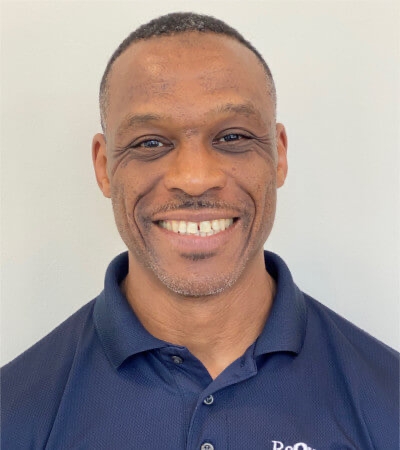
Alphonso Jones
PTA, NASM CPT
Adrian Latscu
PTA, ACCI

Patricia Nichols
OT, CHT

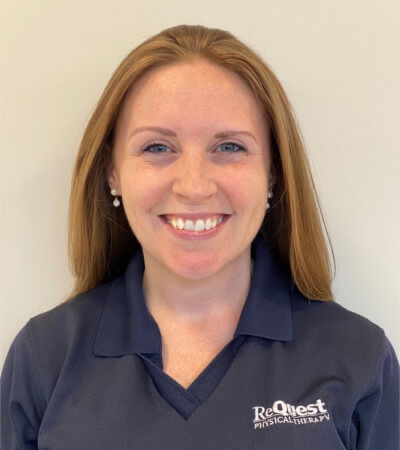
Samantha Ream
M.Ed., LMT



Tiffany Fisher
PhD, LMT